

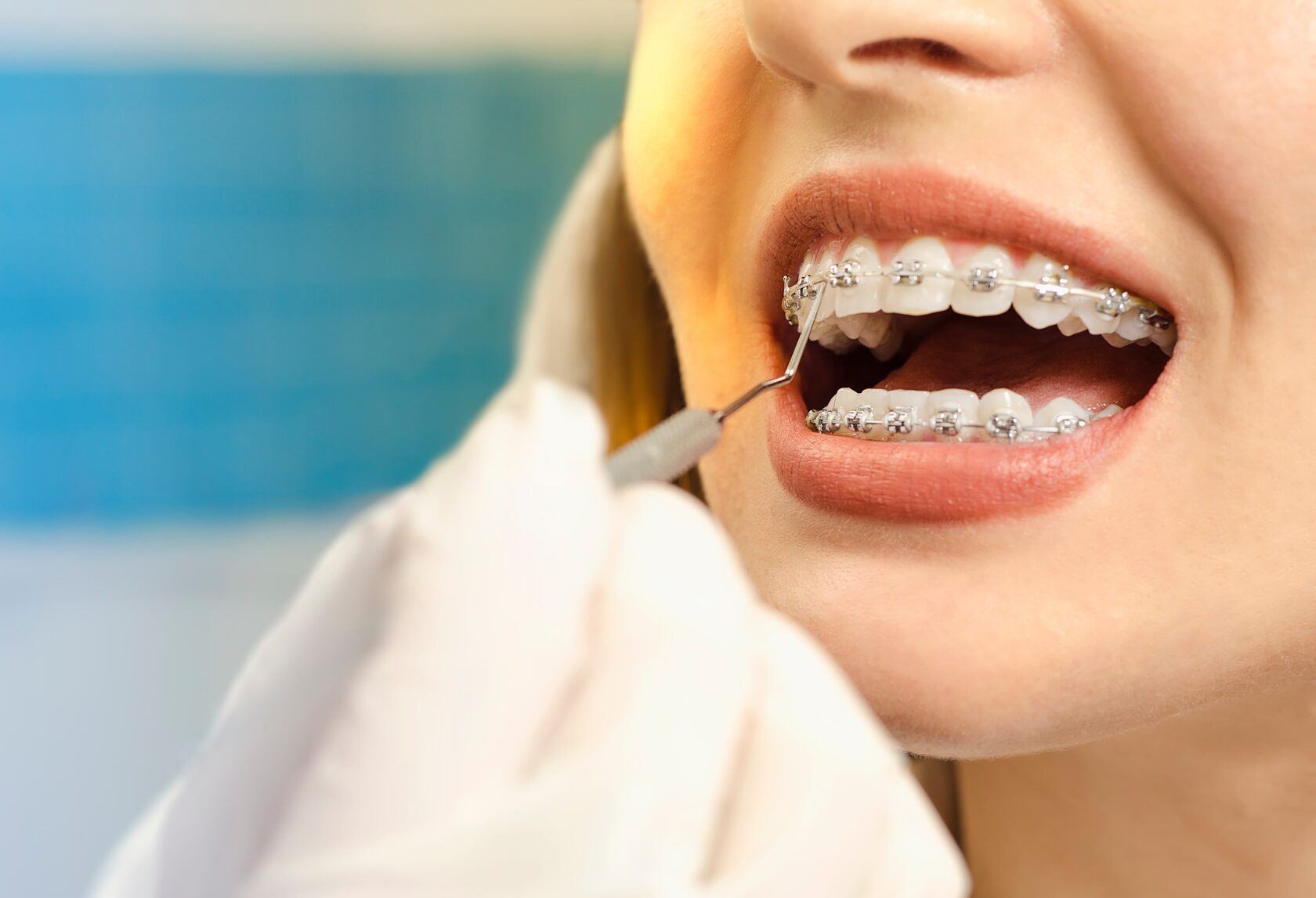
Ananya was fifteen when her mother first brought her to see us. She sat quietly in the chair, arms folded, staring at the treatment light above her head. Her mother had done all the talking: crooked front teeth, a slight overbite, the teasing at school she never quite admitted to but her mother had noticed. At one point, Ananya turned and asked the one question every patient asks before anything else.
"How long is this going to take?"
It is the most honest question in orthodontics. No one walks in excited about two years of metal and wires. People walk in wanting to know the cost, the discomfort, and most of all, the finish line. And the truth is, that finish line looks different for every person. It depends on age, the nature of the misalignment, the type of appliance chosen, and how consistently a patient follows through.
This guide walks you through the entire journey of braces treatment in India from the very first consultation to the day the retainer becomes your new normal. It tells you what to realistically expect at each stage, how the experience differs for teens versus adults, and what your smile will look and feel like before and after treatment.
Before the First Wire Goes In: The Consultation Phase
Before a single bracket touches your teeth, there is a period of planning that most people underestimate. This phase typically spans two to four weeks and sets the foundation for everything that follows.
During your orthodontic consultation, your dentist or orthodontist will take a set of photographs of your face and teeth, panoramic X-rays that show the roots and bone beneath the gum line, and in many modern clinics, a digital 3D scan of your bite. All of this goes into what is called a treatment plan, a document that maps out which teeth need to move, how far they need to travel, and in what order the corrections will happen.
For some patients, particularly those with severe crowding, tooth extractions may be recommended before braces are placed. This is more common in India where smaller jaw sizes relative to tooth size create crowding that simply cannot be resolved without creating space first. If extractions are needed, that adds another two to three weeks before the braces are bonded on.
Think of this phase as the architect drawing up the blueprints before a single brick is laid. Rushing it does no one any favours. A thorough plan now saves months of corrections later.
The Day the Braces Go On: What Really Happens
Bonding day, as orthodontists call it, is an appointment that typically takes between one and two hours. The brackets are cemented to each tooth individually using a dental adhesive and cured with a blue light. The archwire is then threaded through each bracket and held in place with small rubber ties or self-ligating clips, depending on the type of braces you have chosen.
You will not feel pain during this appointment. There is no drilling, no injections, no bleeding. What most patients do feel is a mild tightness or pressure starting four to six hours after the appointment, as the wire begins exerting its first gentle force on the teeth. This initial soreness typically peaks at around forty-eight hours and fades within a week. Soft foods, over-the-counter pain relief, and cold water rinses manage it comfortably.
Ananya texted her mother from school the next morning: "My teeth feel weird but it is not that bad." That is a fair summary of the bonding experience for most patients.
Phase One: The Levelling and Aligning Stage (Months 1 to 6)
The first phase of active treatment is called levelling and alignment. During this period, the orthodontist is focused on getting all the teeth into a single flat plane. Teeth that are rotated get rotated back. Teeth that are too high or too low get brought into line. Gaps begin to close and crowded sections start to open up.
This phase is usually the most visible in terms of change. At the end of month one, many patients can already see their teeth beginning to straighten. By the end of month three, the transformation is often significant enough that friends and colleagues start to notice and comment.
You will visit the clinic every four to eight weeks during this phase for wire changes and adjustments. Each new wire is slightly stiffer than the last, maintaining the pressure needed to keep teeth moving. Missing these appointments delays progress. Think of it like watering a plant: skip a week and the plant slows down. Skip a month and you lose ground you had already gained.
During these early months, patients also adapt to eating with braces. Hard biscuits, peanut brittle, raw carrots, and sugarcane are out. Idli, dosa, soft dal rice, curd, and cooked vegetables are perfectly fine. Indian cuisine, when prepared soft, is actually one of the more braces-friendly diets in the world. Most patients find the dietary adjustment easier than they feared.
Phase Two: Space Closure and Bite Correction (Months 6 to 18)
Once the teeth are levelled and aligned, the orthodontist shifts focus to the bigger structural goals: closing extraction spaces, correcting the bite relationship between the upper and lower jaws, and addressing any remaining rotations or tilts that the first phase did not fully resolve.
This is typically the longest phase of treatment and the one where progress feels slowest. The movements are smaller and more precise. Patients often wonder whether anything is still happening. It is. The teeth are moving, but in millimetres and fractions of millimetres, which are not always visible to the naked eye in the mirror.
For patients with overbites, underbites, or crossbites, this phase often involves additional appliances such as elastics, also called rubber bands, worn between the upper and lower braces. These elastics apply a gentle force that shifts the jaw position over time. They need to be worn as prescribed, usually twenty to twenty-two hours per day, and changed daily. Compliance here is one of the biggest determinants of whether treatment finishes on time or extends by three to six months.
This is also the phase where adults often experience the most noticeable difference in the timeline compared to teenagers. We will explore that in more detail shortly.
Phase Three: Finishing and Detailing (Months 18 to 24)
The final phase is called finishing and detailing. By now the major work is done. The teeth are broadly in the right positions and the bite is largely corrected. What the orthodontist is doing in these final months is fine-tuning. Individual teeth are rotated by tiny degrees. Root positions are adjusted. The bite is checked and rechecked from every angle.
Thinner, more precise wires are used in this phase. The orthodontist may use bends in the wire to achieve very specific tooth movements. These adjustments are invisible to everyone but the practitioner, but they matter enormously for the long-term stability of the result. A result finished properly in this phase is far less likely to relapse than one where the final detailing was rushed.
Most patients enter this phase with a great deal of confidence and patience. They can see the smile they have been working toward, and the final adjustments feel like the last few brush strokes on a painting. Ananya reached this phase at around month nineteen. She started smiling openly in photographs for the first time in years.
Debonding Day: When the Braces Come Off
The day the braces come off is called debonding day, and for most patients it is one of the most emotional appointments in the entire journey. The brackets are carefully removed with a special instrument, the adhesive is polished off the enamel, and the teeth are cleaned thoroughly. Then you look in the mirror.
The teeth will feel slippery and strange against your tongue. They feel enormous, smoother than you remember, and in some cases, slightly sensitive to temperature for the first few days. This is entirely normal. The sensitivity fades within a week or two as the teeth settle.
On the same day, or within the same week, your retainer is fitted. This is not optional. It is not a recommendation. It is a requirement. We will explain why in the next section.
After the Braces: The Retention Phase and Why It Matters More Than You Think
Here is the part of the braces story that almost nobody talks about in the initial consultation, and almost everybody wishes they had heard earlier.
When braces come off, the teeth are in their new positions, but the bone, ligaments, and fibres around each tooth have not fully adapted to those new positions yet. There is a biological memory built into your dental architecture. Without something holding the teeth in place, they will drift back. Not always dramatically, not always immediately, but they will drift. This is called relapse, and it is entirely preventable with proper retention.
Retainers come in two broad forms. Removable retainers look like thin plastic trays and are worn over the teeth, typically every night. Fixed retainers are thin wires bonded to the back of the front teeth, invisible from the outside, and worn permanently. Many patients have both: a fixed wire on the lower front teeth and a removable tray for the upper.
The standard protocol at most Indian orthodontic clinics is to wear removable retainers full-time for the first three to six months after braces, then nightly for at least one to two years. Many orthodontists, particularly for adult patients, recommend indefinite nighttime wear because bone remodelling never truly stops. The retainer is not a burden. Think of it as the maintenance contract for the work you just completed over one and a half to two years.
How Long Do Braces Take for Teens in India?
Let us return to Ananya for a moment. She was fifteen when she started, and her braces came off two weeks before her seventeenth birthday. Total treatment time: twenty-two months.
For teenagers, the average timeline in India is between 18 and 24 months. Here is why teens often have the advantage:
- Growing jawbones respond more readily to orthodontic forces. The bone is less dense, which means teeth move faster with less resistance.
- Erupting permanent teeth can be guided into better positions while they are still emerging, giving the orthodontist a window that adults no longer have.
- No previous dental work means fewer obstacles. Adults who have had crowns, implants, bridges, or significant fillings may require additional steps before or during treatment.
The ideal age for starting orthodontic treatment is generally between 11 and 14, once most of the permanent teeth have erupted. At this age, a teenager can complete treatment and enter the retention phase while still in school, finishing with a stable result well before college or career milestones begin.
That said, teenagers come with their own compliance challenges. Elastics that are not worn, brackets broken on papad, and appointments skipped during exam season all add time to the clock. A teen who is genuinely engaged with the process will often finish faster than the estimate. One who treats the braces as background noise may take longer.
How Long Do Braces Take for Adults in India?
Now meet Vikram. He was thirty-two when he first came in. Software engineer, long commute, a smile he had been self-conscious about since his twenties but had kept putting off. His concern was not primarily cosmetic. He had a crossbite on the left side that was causing him to clench unevenly, and his jaw had been aching for months. He asked the same question Ananya had asked: "How long is this going to take?"
Vikram's treatment took twenty-six months.
For adults, the realistic range in India is typically between 20 and 30 months, with most cases in the 22 to 26 month range. The reasons for the longer timeline are not cause for alarm, just biology:
- Denser bone means teeth move more slowly. The forces applied by the braces are the same, but the bone remodels more gradually in an adult jaw than in a teenager's jaw.
- Existing dental work may need to be redone or worked around. A tooth with a large filling may need to be recapped after braces. An implant cannot be moved at all and must be planned around.
- Gum health concerns are more common in adults and may require treatment by a periodontist before or during orthodontic care. Healthy gums are non-negotiable for tooth movement.
- Busier schedules mean appointments sometimes get pushed. Every missed or delayed adjustment adds weeks to the timeline.
None of this makes adult braces a lesser choice. Vikram's jaw pain resolved within the first year of treatment. By month twenty, he was eating without discomfort for the first time in years. By month twenty-six, he had a bite that worked the way it was supposed to. The timeline was longer than a teenager's, but the outcome was just as complete.
It is also worth noting that adults often make the best patients. They understand the investment, they keep their appointments, and they follow dietary guidelines more consistently. What they lack in biological speed, they make up for in discipline.
How the Type of Braces Affects Your Timeline
Not all braces are equal in terms of treatment speed. Here is how the major options compare:
Metal Braces
Traditional metal braces remain the gold standard for complex cases. They are the most affordable option in India, typically ranging from INR 25,000 to INR 60,000 depending on the city and clinic. They can handle virtually any degree of misalignment. Treatment timelines are predictable: 18 to 24 months for most cases.
Ceramic Braces
Ceramic braces use tooth-coloured brackets that blend with the natural enamel. They work on the same mechanical principles as metal braces and deliver comparable results in similar timeframes. They are more aesthetically discreet but cost more, typically INR 35,000 to INR 80,000. Patients who are concerned about appearance during treatment often choose ceramic for the upper arch and metal for the less visible lower arch.
Self-Ligating Braces
Self-ligating braces use a built-in clip mechanism instead of rubber ties to hold the wire. This reduces friction, which in theory allows faster tooth movement and shorter appointment times. Clinical evidence on speed improvement is mixed, but many orthodontists observe modestly shorter treatment times for mild to moderate cases. These are a popular choice in urban Indian clinics for patients who want efficiency without going the aligner route.
Lingual Braces
Lingual braces are placed on the inner surface of the teeth, making them completely invisible from the outside. The trade-off is higher cost (INR 1,50,000 to INR 3,00,000 or more), longer adjustment times at each visit, and a more pronounced initial speech adaptation period. Treatment timelines are broadly comparable to conventional braces for most cases, though highly complex cases may take slightly longer due to the mechanical limitations of working behind the teeth.
Clear Aligners (Invisalign and Other Brands)
Clear aligners like Invisalign offer the significant advantage of being removable. Each set of aligners is worn for one to two weeks before progressing to the next. For mild to moderate cases, Invisalign can sometimes achieve results in 12 to 18 months. For complex bite corrections, the timeline is similar to conventional braces but with the convenience of removal for eating, brushing, and social occasions.
The critical requirement for aligners is wearing them for 20 to 22 hours a day. Patients who remove them more frequently than instructed will extend their treatment significantly. Aligners reward compliance and punish inconsistency more directly than fixed braces do.
What Extends the Timeline: The Real Reasons Treatment Takes Longer
Every orthodontist has seen cases that should have taken 18 months stretch to 28. Here are the most common reasons:
- Broken brackets and wires: Each breakage requires a repair visit and often sets tooth movement back by weeks. Hard foods, chewing pens, and biting nails are the most common culprits in Indian patients.
- Missed adjustments: Every four to six week visit is an active step forward. Skip two in a row and you have lost two months of progress.
- Non-compliance with elastics: Elastics (rubber bands) are non-negotiable for bite correction. Patients who wear them inconsistently can add three to six months to phase two alone.
- Gum disease or cavities developing mid-treatment: If a cavity develops under a bracket or the gums become inflamed, orthodontic movement must pause until the dental issue is resolved. Meticulous brushing around brackets prevents this entirely.
- Unexpected tooth responses: Occasionally a tooth does not respond to force the way the plan predicted. This is rare but does require adjustment of the plan and additional time.
Before and After: What to Realistically Expect from Your Braces Journey
One of the most important things an orthodontist can do for a patient is manage expectations. The Instagram transformation photos that show jagged teeth becoming a perfect arch in a single comparison image are real, but they are also compressed. They do not show the eighteen months of sore weekends, the dietary adjustments, the appointment schedules, and the months of retainer wearing that came after. Here is a more honest before and after picture:
Before Treatment
- Crooked, crowded, or spaced teeth that affect the way you smile and speak.
- Possible jaw pain, uneven bite wear, or difficulty chewing certain foods.
- Self-consciousness about your smile in photographs or professional settings.
- In some cases, difficulty maintaining proper oral hygiene due to crowded teeth that are hard to clean between.
During Treatment (The Middle Miles)
- A mild adjustment period for the first two to four weeks. Soreness is real but manageable.
- Dietary modifications that become second nature within a month.
- Visible progress that is encouraging, even when the middle phase feels slow.
- Growing confidence as the teeth align and the profile improves.
After Treatment
- A straight, aligned smile that changes the way you present yourself to the world.
- Improved bite function and in many cases, resolution of jaw pain and headaches that were related to bite misalignment.
- Better oral hygiene, because aligned teeth are dramatically easier to brush and floss.
- A sense of accomplishment that is genuinely hard to put into words until you experience it.
Ananya sent us a message about six months after her braces came off. She had just received her university admission. "I am smiling in every photo," she wrote. "I cannot stop." That is the honest after.
Vikram came back for a retainer check eighteen months post-treatment. His bite was stable, his jaw pain had not returned, and he had recently been promoted. He credited none of that to the braces directly, but he said the confidence of walking into a room without covering his mouth had changed the way he communicated. That is the honest after for an adult.
A Summary Timeline at a Glance
| Phase | Duration | What Happens |
|---|---|---|
| Consultation and Planning | 2 to 4 weeks | Records, X-rays, extractions if needed, treatment plan |
| Levelling and Alignment | Month 1 to Month 6 | Teeth levelled, rotations corrected, most visible early changes |
| Space Closure and Bite Correction | Month 6 to Month 18 | Extraction spaces close, bite relationship corrected, elastics used |
| Finishing and Detailing | Month 18 to Month 24 | Fine-tuning positions, root adjustments, final bite checks |
| Debonding and Retainer Fitting | 1 day appointment | Braces removed, retainer fitted |
| Retention | Lifelong (active phase 1 to 2 years) | Retainer worn nightly to maintain the result |
Braces Treatment at Mahaveer Multispeciality Dental Clinic
At Mahaveer Multispeciality Dental Clinic, our braces treatment is handled by qualified orthodontic specialists at both our Thane West and Goregaon West locations. We offer the full range of appliances including traditional metal braces, ceramic braces, self-ligating systems, lingual braces, and Invisalign clear aligners, so your treatment is matched to your specific bite, lifestyle, and aesthetic preferences rather than a one-size-fits-all approach.
We also offer flexible EMI options, because we believe that the cost of treatment should not be the reason someone walks out of an orthodontic consultation without a plan. Our team will give you a transparent treatment estimate at your first appointment, broken down by phase, so you understand exactly what you are committing to before anything is bonded.
If you are exploring smile improvement beyond alignment, our smile designing services can complement orthodontic outcomes with additional cosmetic treatments once the structural work is complete. Many patients choose to combine braces with professional teeth whitening or veneers for final refinements after the braces come off. You can explore the full range of our dental services to understand what might apply to your situation.
Frequently Asked Questions
How long do braces take in India on average?
Most cases take between 18 and 24 months. Mild crowding may be resolved in 12 to 15 months. Complex bite corrections involving both jaws can take up to 28 to 30 months. Your orthodontist will give you a case-specific estimate at your consultation.
Do braces take longer for adults than for teens?
Generally, yes. Adult bone is denser, which means teeth move a little more slowly. The additional time is typically six to twelve months compared to a similar teen case. Adults who are consistent with appointments and elastic wear often close that gap considerably.
Which type of braces works fastest?
Self-ligating braces and clear aligners like Invisalign are often associated with shorter treatment times for appropriate cases. However, the nature of your specific misalignment matters far more than the appliance type. A complex case will take time regardless of which system is used.
What happens if I skip orthodontic adjustment appointments?
Each visit activates and re-tensions the system, driving tooth movement forward. Skipping appointments stalls progress. Missing two consecutive monthly visits can add two to three months to your total treatment time.
How long do I wear a retainer after braces?
Full-time for the first three to six months after removal, then nightly for at least one to two years. Many orthodontists recommend indefinite nighttime wear, particularly for adults, to prevent relapse over time.
Can poor diet or oral hygiene slow down my braces treatment?
Yes. Broken brackets from hard food add repair visits and set back progress. Cavities or gum disease that develop during treatment require pausing orthodontic movement until they are resolved. Consistent hygiene and a soft diet keep your timeline on track.
Is it too late to get braces as an adult in India?
Not at all. Adults in their 30s, 40s, and 50s complete successful orthodontic treatment every year. Healthy gums and bone are the requirements, not a specific age. If you have maintained your dental health, you are a candidate.
The Honest Answer to Ananya's Question
When Ananya asked how long it would take, the truthful answer was this: it will take as long as it needs to, and it will be worth every month.
Twenty-two months felt like a long time to a fifteen-year-old in that treatment chair. Looking back at her photographs now, she says it felt like nothing. The discomfort faded. The dietary adjustments became habits. The adjustment appointments became part of a routine. What remained was a smile she has not tried to hide since.
That is the realistic timeline. That is the honest before and after. And if you are reading this while contemplating that first consultation, the best time to begin is sooner rather than later, because the finish line is not as far away as it seems.
If cost is the other big question on your mind alongside the timeline, we've broken that down separately in our guide to braces cost in India and what to actually expect.
Ready to Start Your Braces Journey?
Book a consultation at Mahaveer Multispeciality Dental Clinic in Thane West or Goregaon West. Our orthodontic specialists will assess your case, walk you through a realistic treatment timeline, and explain all your appliance options in plain language.
Book a Consultation Explore Braces Treatment Call: +91 86919 01509