

Success Rate

Pain when chewing or applying pressure on the tooth
Prolonged sensitivity to hot or cold temperatures
Darkening of the tooth or surrounding gums
Swollen, tender, or pimple-like bumps on the gums
Chipped or cracked tooth that may have exposed the nerve
Digital X-rays and CBCT (as needed) visualize canal anatomy and guide the plan.
Local anesthesia ensures the area is fully numb during the procedure.
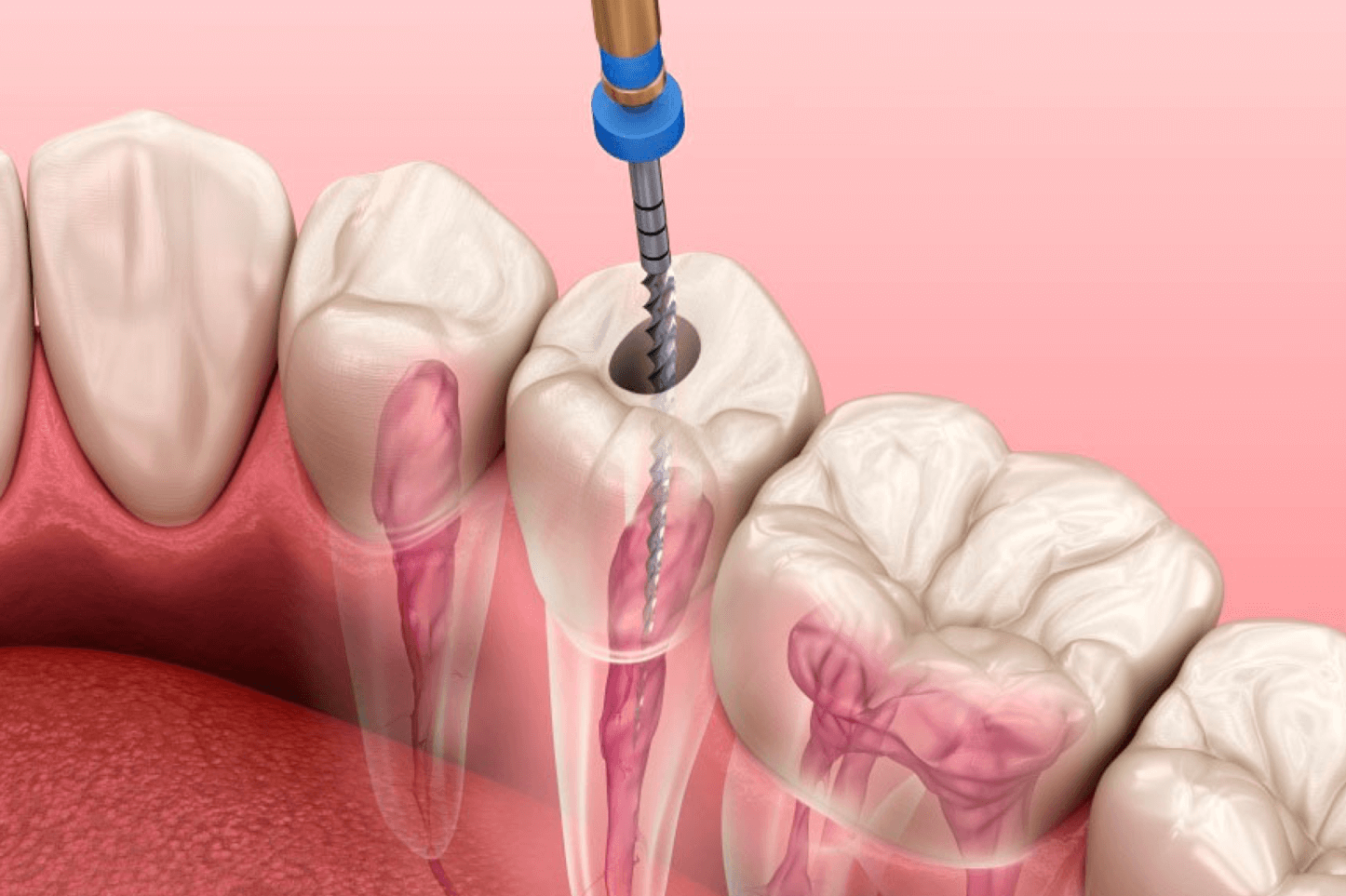
Microscope-enhanced visibility helps thoroughly clean even complex canals.
Advanced rotary instruments gently and efficiently remove infected tissue.
Biocompatible filling seals the canal; a crown is recommended for long-term strength.