

The most common question dentists hear before a dental implant procedure is: "Doctor, will it hurt a lot?" And honestly, that fear is one of the biggest reasons people delay getting implants even when they genuinely need one. So let us answer this clearly, step by step, based on what patients actually experience.
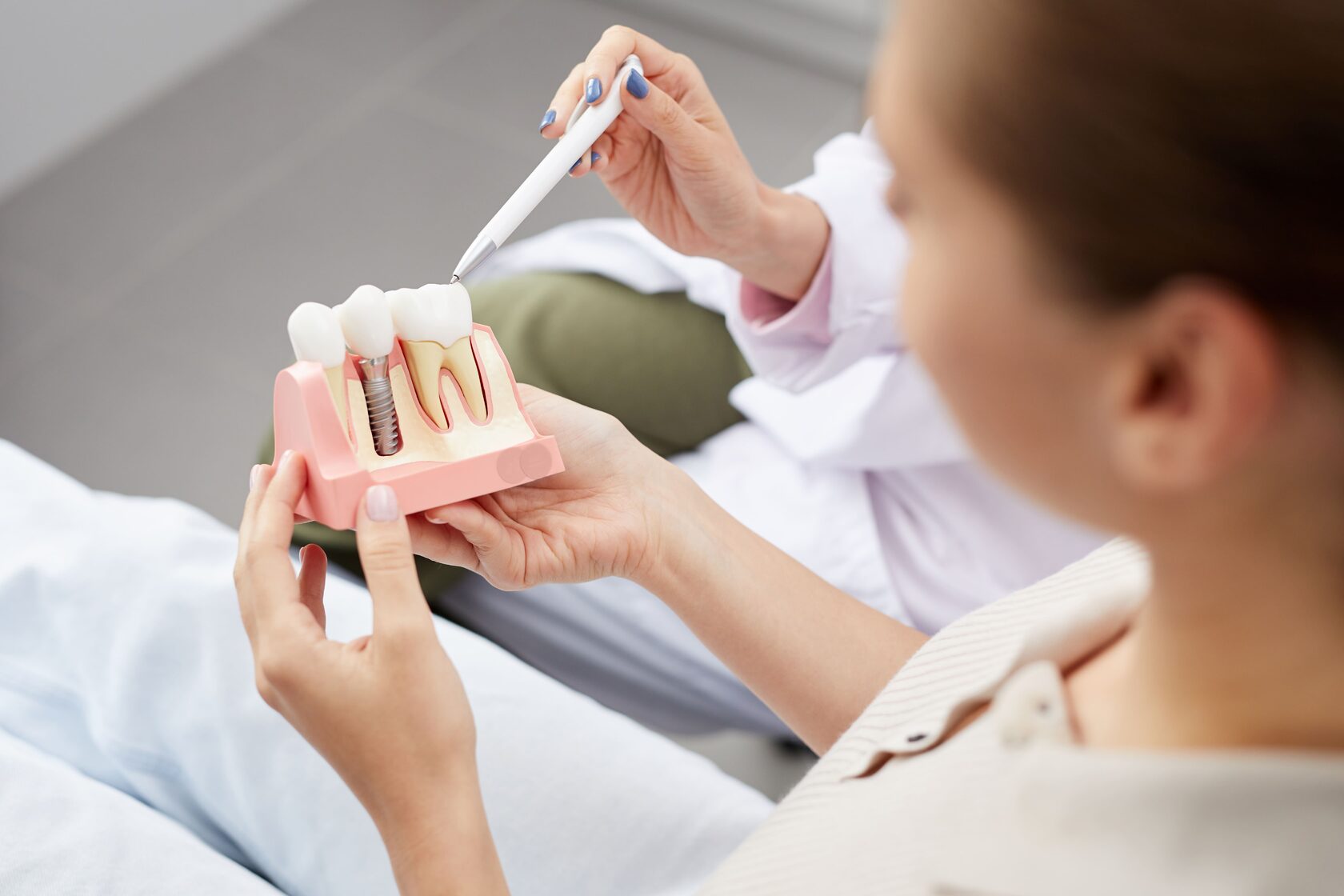
What Is a Dental Implant?
A dental implant is a small titanium post that is placed into the jawbone to replace the root of a missing tooth. Once it fuses with the bone over a few months, a custom crown is placed on top to look and work just like a real tooth. The result is a permanent, stable replacement that does not slip, does not decay, and feels completely natural.
Unlike dentures or bridges, implants are anchored directly into the bone. This is why they last so long and feel so secure. It is also why some people assume the procedure must be very painful. The truth is quite different.
Is the Dental Implant Procedure Painful?
The simple, direct answer is: no, the procedure itself is not painful. It is performed under local anesthesia, which completely numbs the area before anything begins. You will feel pressure and some movement during the surgery, but there should be no sharp or significant pain at all.
Most patients are genuinely surprised by how comfortable the actual implant placement is. Many describe it as similar to getting a tooth filled or removed. The area is numb, you are aware of what is happening, but pain is not part of the experience.
If you have dental anxiety, inform your dentist before the procedure. There are additional comfort options available to help you stay relaxed throughout, and our team at Mahaveer Clinic is experienced in managing anxious patients with care and patience.
What to Expect Right After the Procedure
Once the anesthesia wears off, usually 3 to 4 hours after surgery, some discomfort does set in. This is normal and expected. Here is what most patients report:
- Mild to moderate soreness around the implant site
- Swelling in the gum and cheek area
- A small amount of bleeding for the first 24 hours
- Sensitivity when eating or opening the mouth wide
- A feeling of tenderness when touching the area
Your dentist will prescribe or recommend appropriate pain medication to keep you comfortable during this phase. Most patients find the discomfort very manageable and comparable to the soreness felt after a tooth extraction.
How Long Does the Soreness Last?
For most patients, soreness peaks around day 2 or day 3 and then gradually improves. By the end of the first week, the majority feel well enough to carry on with their normal routines. The surgical site heals visibly within 1 to 2 weeks.
However, if you notice any of the following, contact your dentist without delay:
- Pain that gets worse after day 3 instead of improving
- Fever or chills along with swelling
- Persistent heavy bleeding beyond the first day
- A bad taste or smell from the implant area
These can be early signs of infection or complications. Catching them early makes treatment quick and straightforward.
The Full Healing Timeline: What Happens at Each Stage
Understanding the complete journey helps set the right expectations so nothing comes as a surprise.
- Day 1 to 3: Soreness and swelling are at their peak. Pain medication, soft food, and rest are recommended.
- Day 4 to 7: Swelling reduces. Soreness begins to ease noticeably. Most patients feel much better by the end of this week.
- Week 2: The gum heals over the implant site. Sensitivity reduces significantly. Normal diet can often be resumed with care.
- Month 1 to 3: Osseointegration takes place. This is the process where the titanium post slowly bonds with the surrounding jawbone. There is no pain during this phase. You simply wait for the fusion to complete.
- Month 3 to 6: Your dentist checks the fusion using an X-ray and attaches the abutment, which is the small connector piece that holds the crown.
- Final Stage: The custom dental crown is placed on top. Your new permanent tooth is now complete and fully functional.
Is a Dental Implant More Painful Than a Root Canal?
Many patients wonder whether an implant is worse than a root canal, since the implant involves bone and surgery. Interestingly, most patients who have had both say the implant was no more uncomfortable than the root canal treatment. Both procedures use local anesthesia effectively and have a similar recovery period.
The key difference is that a root canal saves an existing tooth, while a dental implant replaces a tooth that is already missing or beyond saving. Your dentist will assess your situation and advise the best course of action for you.
Who Might Experience More Discomfort?
Most patients have a smooth and uneventful recovery. However, a few factors can make the process slightly more involved:
- Patients who require a bone graft before implant placement, because the jawbone has reduced in volume
- Those receiving multiple implants in a single session
- Patients with conditions like uncontrolled diabetes, which can slow healing
- Smokers, since smoking reduces blood flow and impairs tissue repair
- Patients on certain medications like blood thinners
Your dentist will review your full medical history during the initial consultation and plan the procedure to suit your needs. For patients who need extensive restoration, our team also offers full mouth rehabilitation, where the treatment is planned in well-paced stages to keep comfort and safety as the priority throughout.
Practical Tips to Make Your Recovery Smoother
A little preparation and the right habits after surgery can make a meaningful difference to your comfort and healing speed.
- Take prescribed medicines on schedule and complete the full course
- Eat soft foods such as rice, dal, curd, mashed vegetables, and soups for the first 5 to 7 days
- Avoid hot liquids, spicy food, hard snacks, and very chewy items during the initial healing period
- Do not rinse your mouth forcefully in the first 24 hours as this can disturb the clot
- Apply a cold pack on the outside of your cheek for 15 minutes at a time to reduce swelling in the first 48 hours
- Keep your head slightly elevated when resting or sleeping, especially in the first two days
- Avoid smoking and alcohol completely during the healing period as both can interfere with recovery
- Brush gently around the area without touching the surgical site directly until your dentist advises otherwise
Is the Result Worth the Brief Recovery Period?
A dental implant is one of the closest things to a natural tooth that modern dentistry can offer. It looks natural, it feels natural, and it functions exactly like your original tooth. You can eat what you want, smile freely, and brush and floss normally without any special maintenance.
With proper care, dental implants last 15 to 20 years or longer. Many implants placed decades ago are still in excellent condition. Compare that to a few days of manageable soreness and the value becomes very clear.
Many patients who delayed their implant for years because of fear say, without exception, that they wish they had done it sooner. The procedure is far more comfortable than they imagined, and the result changed the way they eat, speak, and smile every single day.
If you are also considering a broader smile transformation, our team offers smile designing that can combine dental implants with other cosmetic treatments for a complete and natural-looking result.
Frequently Asked Questions
Is the anesthesia injection for a dental implant painful?
The injection itself may cause a brief sting lasting just 1 to 2 seconds. After that, the area becomes fully numb and you should not feel pain for the remainder of the procedure. Dentists use very fine needles and apply topical numbing gel beforehand to make even the injection as comfortable as possible.
Can I go to work the next day after getting a dental implant?
Many patients return to desk work or light activities the next day without difficulty. If your job involves physical labour or strenuous activity, it is better to rest for 2 to 3 days. Your dentist will give you specific guidance based on how your procedure went.
What if the pain does not improve after a week?
Pain that persists or worsens beyond a week is not a normal part of recovery. Contact your dentist promptly. It may indicate an infection or an issue with the implant that requires early attention. The sooner it is addressed, the simpler the solution usually is.
How much do dental implants cost in Thane and Goregaon?
The cost of a dental implant in Thane and Goregaon depends on several factors including the brand of implant used, whether a bone graft is required, and the number of teeth being replaced. A detailed cost estimate tailored to your specific case will be provided during your consultation at Mahaveer Clinic.
Are dental implants safe for older patients?
Yes, dental implants can be a very good option for older patients provided they are in reasonably good general health and have adequate bone density. Age alone is not a barrier. Your dentist will conduct a thorough assessment to confirm you are a suitable candidate before recommending the procedure.
Final Thoughts
Dental implants are far less painful than most people imagine. The surgery itself is performed under anesthesia and is largely pain-free. The recovery involves a few days of manageable soreness that responds well to medication and simple aftercare. What you gain in return is a permanent, natural-looking tooth that can last a lifetime with good care.
If you have been putting off getting an implant because of fear or uncertainty, we hope this article has given you a clearer picture of what to actually expect. A single consultation at our clinic in Thane or Goregaon can answer your personal questions and help you take the next step with confidence.