

A Missing Tooth Today Could Cost You More Than Just Your Smile Tomorrow
Ignoring a missing tooth may seem harmless at first. After all, if it's at the back of your mouth, who's going to notice?
The reality is very different. A missing tooth doesn't just leave a gap in your smile — it can gradually lead to bone loss, shifting of nearby teeth, difficulty chewing, bite problems, and even changes in your facial appearance. Many patients begin searching for a dentist near me only after these issues become noticeable, when treatment is often more complex than it needed to be.
This is where Mahaveer Multispeciality Dental Clinic has become a trusted name for patients looking for comprehensive dental care. Whether you're exploring options for advanced dental implants, painless root canal treatment in Goregaon, or a trusted dental clinic in Goregaon and Thane, understanding the long-term benefits of modern implant dentistry can help you make an informed decision.
One of the most common questions patients ask is: “How long do dental implants actually last?”
The short answer is that dental implants can last for decades — and in many cases, a lifetime — with proper care. However, their lifespan depends on several factors, including oral hygiene, overall health, lifestyle habits, and the quality of treatment. In this guide, we'll answer the most searched questions about dental implants and explain how you can maximize their longevity.
What Are Dental Implants?
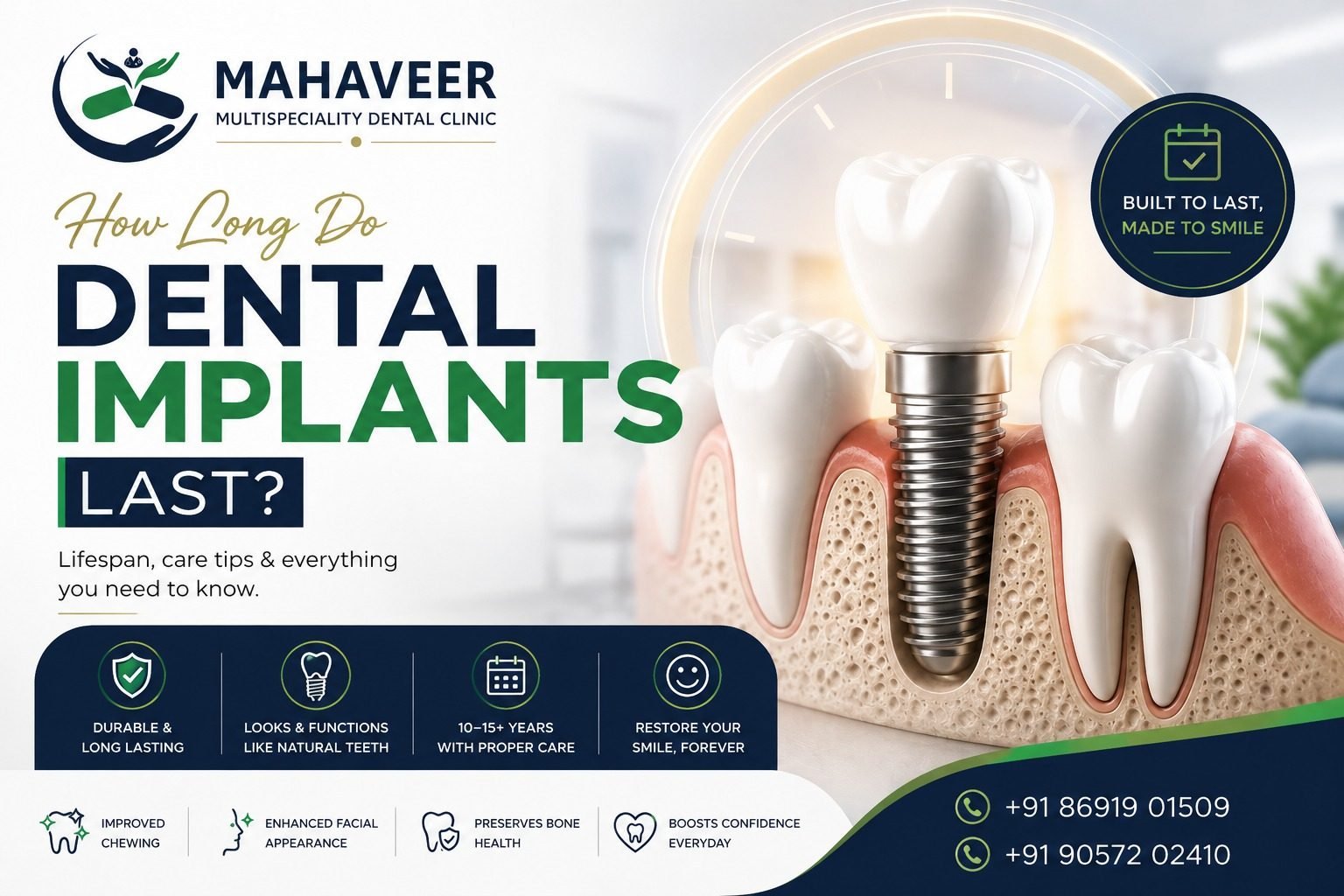
Dental implants are artificial tooth roots, usually made from medical-grade titanium, that are surgically placed into the jawbone to replace missing teeth. Once the implant integrates with the surrounding bone through a natural healing process called osseointegration, it provides a stable foundation for a dental crown, bridge, or denture.
Unlike removable dentures, implants are designed to feel and function much like natural teeth. A complete dental implant typically consists of:
- Implant fixture — placed in the jawbone
- Abutment — the connector piece
- Custom-made crown — the visible, functional tooth
Together, these components restore both appearance and chewing function.
How Long Do Dental Implants Last?
This is one of the most searched questions by patients considering tooth replacement. The answer depends on which part of the implant you're referring to.
The Implant Post
The titanium implant placed inside the jawbone can often last 20–30 years or longer, and many remain functional for a lifetime when properly maintained.
The Dental Crown
The crown attached to the implant experiences daily chewing forces and may eventually require replacement due to normal wear. On average, implant-supported crowns may last 10–15 years or longer, depending on oral hygiene, bite forces, and material selection.
This means that while the crown may need maintenance or replacement over time, the implant itself can remain stable for many years.
Why Are Dental Implants So Durable?
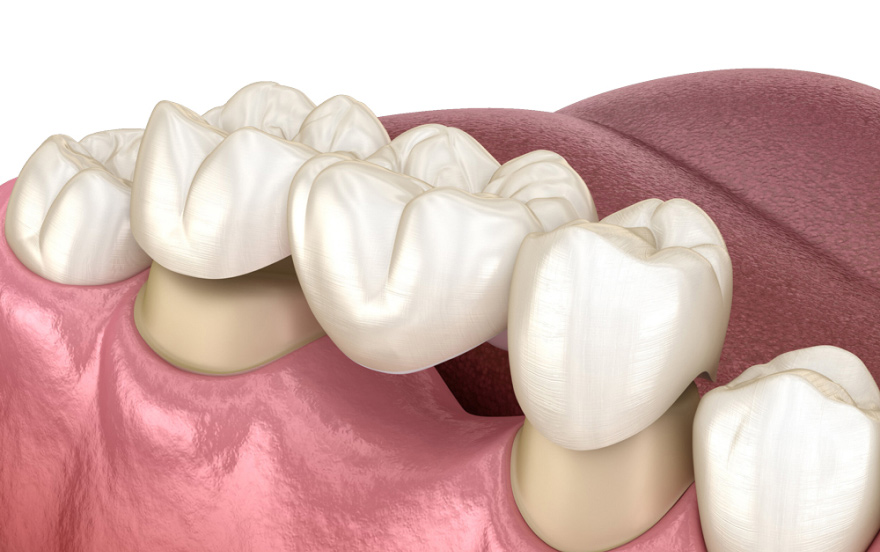
One of the biggest advantages of implants is that they become integrated with your jawbone. Unlike bridges, which rely on neighbouring teeth for support, implants function independently. Some reasons implants are considered durable include:
- Titanium is highly biocompatible
- The implant bonds naturally with bone
- They help preserve jawbone density
- They don't decay like natural teeth
- They distribute chewing forces evenly
With proper planning and maintenance, implants are among the most predictable tooth replacement options in modern dentistry.
What Is the Success Rate of Dental Implants?
Dental implants have one of the highest success rates in dentistry. Clinical studies have consistently shown success rates above 90–95% in suitable candidates over many years. Success depends on factors such as:
- Good bone quality
- Healthy gums
- Proper implant placement
- Excellent oral hygiene
- Regular dental check-ups
- Avoiding tobacco use
A comprehensive examination allows dentists to assess whether implants are the most appropriate treatment for an individual patient.
What Determines How Long Dental Implants Last?
Although implants are designed for long-term use, their lifespan isn't automatic. Several factors influence long-term success.
1. Daily Oral Hygiene
Even though implants cannot develop cavities, the surrounding gums and bone must remain healthy. Poor brushing and flossing allow plaque to accumulate, increasing the risk of peri-implant disease, an inflammatory condition that can compromise implant stability.
2. Regular Dental Check-ups
Routine examinations allow your dentist to monitor implant health, evaluate bone levels, check the crown, remove plaque and tartar, and detect problems early. Professional maintenance is just as important as home care — explore our full range of preventive and general dental services.
3. Smoking
Smoking reduces blood flow to the gums and slows healing, increasing the risk of implant complications. Patients who smoke generally experience lower long-term implant success rates than non-smokers.
4. Teeth Grinding
Excessive grinding or clenching places additional pressure on implant restorations. Your dentist may recommend a custom night guard if signs of bruxism are present.
5. General Health
Certain medical conditions, including uncontrolled diabetes or compromised immune function, may affect healing and long-term outcomes. A full medical history helps your dentist develop the safest treatment plan.
Can Dental Implants Fail?
Although implant success rates are very high, complications can occur. Failure is generally classified as:
Early Failure
Occurs before the implant fully integrates with bone. Possible causes include infection, poor healing, insufficient bone support, or excessive pressure during healing.
Late Failure
Occurs after the implant has been functioning successfully. Possible reasons include gum disease around the implant, poor oral hygiene, smoking, trauma, or excessive bite forces.
Fortunately, many implant-related issues can be managed successfully when identified early.
Warning Signs You Should Never Ignore
Contact your dentist if you notice:
- Implant mobility
- Persistent pain
- Swollen gums
- Bleeding around the implant
- Bad taste in the mouth
- Difficulty chewing
- Gum recession
- Loose implant crown
Early intervention often prevents more serious complications.
Does Age Affect Dental Implant Success?
A common misconception is that implants are only suitable for younger adults. In reality, age alone is not usually the deciding factor. Many healthy older adults benefit from implant treatment successfully. What matters most is bone health, gum condition, medical history, and overall oral health. A personalized assessment helps determine whether implants are appropriate.
Can Dental Implants Last a Lifetime?
Yes — in many cases they can. Patients who brush twice daily, floss regularly, attend routine dental visits, avoid tobacco, and follow professional advice often enjoy implants that remain functional for decades. The key is treating implants with the same level of care as natural teeth.
How to Make Your Dental Implants Last Longer
While dental implants are designed to be a long-term solution, their success depends on how well they are cared for after placement. Just like natural teeth, implants require daily maintenance and regular professional care. Here are some practical ways to maximize their lifespan:
- Maintain excellent oral hygiene — brush at least twice a day using a soft-bristled toothbrush and fluoride toothpaste, cleaning carefully around the implant.
- Floss every day — use dental floss or interdental brushes to keep the surrounding gums healthy.
- Visit your dentist regularly — routine exams check implant stability, monitor gum health, remove plaque and tartar, and catch peri-implant disease early.
- Avoid smoking — it slows healing and significantly increases the risk of implant complications.
- Protect your implants — if you grind or clench your teeth while sleeping, ask about a custom night guard.
Dental Implants vs. Bridges vs. Dentures
Patients replacing missing teeth often compare these three treatment options.
| Feature | Dental Implants | Dental Bridge | Removable Denture |
|---|---|---|---|
| Replaces Tooth Root | ✔ Yes | ✘ No | ✘ No |
| Preserves Jawbone | ✔ Yes | ✘ Limited | ✘ No |
| Affects Nearby Teeth | ✘ No | ✔ Yes | ✘ No |
| Stability | Excellent | Good | Moderate |
| Can Be Removed | ✘ No | ✘ No | ✔ Yes |
| Long-Term Durability | Excellent | Good | Moderate |
Each option has advantages depending on the patient's oral health, budget, and treatment goals. A comprehensive examination helps determine the most suitable choice.
Are Dental Implants Painful?
One of the biggest concerns among patients is whether implant surgery is painful. During the procedure, local anaesthesia is used to numb the treatment area — most patients report feeling pressure rather than pain. After the procedure, mild swelling or discomfort is common for a few days and can usually be managed with medications recommended by your dentist. We cover this in detail in our guide on what to really expect during implant recovery.
Who Is a Good Candidate for Dental Implants?
Dental implants may be suitable for adults who:
- Have one or more missing teeth
- Have healthy gums
- Have sufficient jawbone to support an implant (or are suitable for bone grafting if needed)
- Practice good oral hygiene
- Are in generally good overall health
A personalized consultation, including clinical examination and imaging, is essential before treatment.
Common Reasons Dental Implants May Not Last
Although implant success rates are high, certain habits and health conditions can reduce longevity, including poor oral hygiene, smoking, untreated gum disease, teeth grinding (bruxism), uncontrolled diabetes, skipping regular dental check-ups, excessive biting forces, and trauma to the mouth. Most of these risk factors can be managed with preventive care and ongoing dental supervision.
Can Dental Implants Be Replaced?
Yes. If an implant fails or the crown becomes damaged, treatment options may include replacing the implant crown, repairing damaged components, treating surrounding gum disease, or placing a new implant after appropriate healing, if clinically suitable. Your dentist will determine the best approach based on the cause of the problem and your oral health.
Frequently Asked Questions
How long do dental implants last?
The implant itself can often last 20 years or more, and many remain functional for a lifetime with proper care. The crown attached to the implant may need replacement after 10–15 years due to normal wear.
Do dental implants require special cleaning?
No special cleaning products are usually required, but excellent daily oral hygiene and routine professional check-ups are essential.
Can dental implants get cavities?
No. Dental implants cannot develop cavities because they are made from artificial materials. However, the surrounding gums and bone can still become diseased if plaque is allowed to accumulate.
How long does the implant procedure take?
The surgical appointment is often completed within one to two hours, but the complete treatment process, including healing and crown placement, may take several months depending on the individual case.
What foods should I avoid after implant surgery?
Immediately after surgery, patients are generally advised to choose soft foods and avoid very hot, hard, or crunchy items until healing progresses. Your dentist will provide personalized dietary instructions.
Are dental implants safe?
Dental implants have been used successfully for decades and are considered a predictable treatment option for appropriately selected patients.
How often should implant patients visit the dentist?
Most patients benefit from routine dental check-ups every six months, although some may require more frequent maintenance visits depending on their oral health.
Choosing the Right Dental Clinic for Implant Treatment
Selecting the right dental clinic is one of the most important decisions in your implant journey. When evaluating clinics, consider experience with implant dentistry, advanced diagnostic technology, comprehensive treatment planning, sterilization standards, transparent communication, personalized aftercare, and patient reviews and testimonials.
Patients searching online for a dentist near me, dental clinic in Goregaon, or dental clinic in Thane often prioritize clinics that provide comprehensive services under one roof. Mahaveer Multispeciality Dental Clinic offers preventive dentistry, painless root canal treatment, advanced dental implants, smile rehabilitation, pediatric dentistry, and cosmetic dental procedures using modern technology and patient-focused treatment planning.
Final Thoughts
Replacing a missing tooth is about much more than restoring your smile. It helps protect your jawbone, maintain proper chewing function, support clear speech, and preserve the alignment of your remaining teeth.
Dental implants have become one of the most reliable long-term solutions because they closely mimic the function of natural tooth roots. While no dental treatment lasts forever without care, implants can remain successful for decades when supported by excellent oral hygiene, healthy lifestyle habits, and regular professional maintenance.
If you're considering advanced dental implants, scheduling a comprehensive consultation is the best way to understand your treatment options. Whether you're searching for a dentist near me, exploring treatment at a dental clinic in Goregaon or Thane, or simply looking for reliable information, an informed decision begins with a thorough dental evaluation.
A healthy smile is an investment in your overall well-being — and with the right care, dental implants can help you enjoy that smile for many years to come.
Key Takeaways
- Dental implants are one of the longest-lasting tooth replacement options available.
- The implant post can often last 20 years or longer with proper care.
- Regular dental check-ups and excellent oral hygiene are essential for long-term success.
- Smoking, untreated gum disease, and poor maintenance can shorten implant lifespan.
- Most implant patients benefit from professional follow-up visits every six months.
A personalized consultation helps determine whether implants are the best solution for replacing missing teeth.
Visit Mahaveer Multispeciality Dental Clinic
Mahaveer Multispeciality Dental Clinic
Shop No 1, Ashirwad, C.H.S. Ltd
Near Anand Hotel, Motilal Nagar II, Goregaon West, Mumbai, Maharashtra 400062
Contact: +91 90572 02410
Mahaveer Multispeciality Dental Clinic
Shop No. 5, Green Wood Complex, Oxford Society, A Wing, Manpada, Thane West, Thane, Maharashtra 400610
Contact: +91 86919 01509