

"It hurt for three days, then nothing for two weeks, then it came back worse. That pattern was the real clue, not the pain itself."
— a patient describing textbook pericoronitis, without knowing the name for it yet
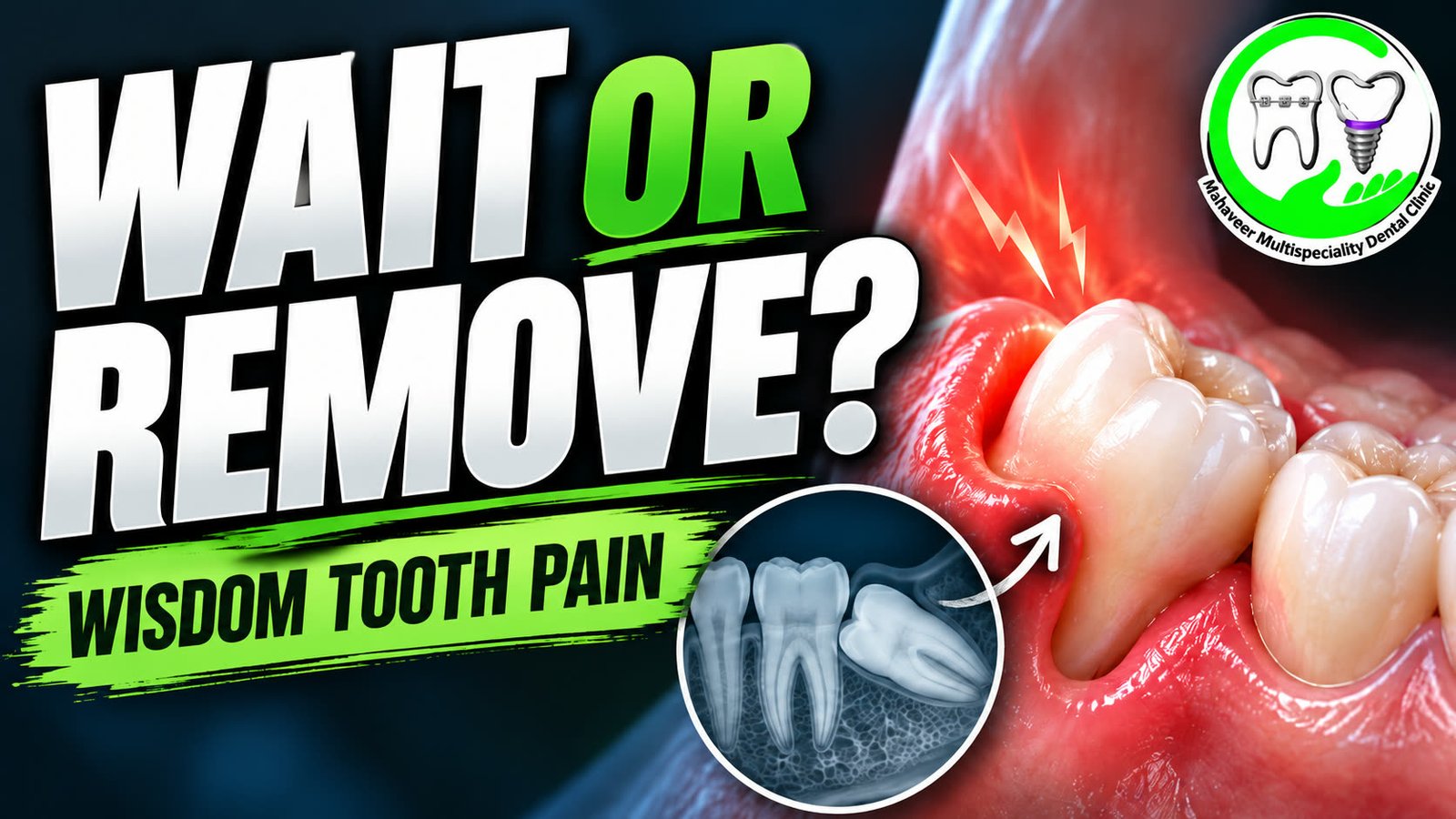
Wisdom tooth pain has a specific way of making you doubt yourself. It shows up, you brace for the worst, and then it quietly disappears for a week, leaving you wondering whether you imagined the whole thing. That pattern is actually useful information, not a reason to dismiss it.
This isn't a blanket "always remove it" or "always wait it out" answer, because neither is true. It's a walk through how dentists actually make that call, the same structured reasoning we use when deciding between a root canal and an extraction for any other tooth.
Why Wisdom Teeth Hurt in the First Place
Most jaws simply don't have room left for a third set of molars by the time they try to erupt in the late teens or early twenties. The tooth either comes in at an angle, stays partially trapped under the gum, or pushes against the molar in front of it, and any of those scenarios can cause pain.
Pericoronitis: The Most Common Culprit
When a wisdom tooth is only partially erupted, a flap of gum tissue often covers part of the crown. Food and bacteria get trapped underneath it, the gum becomes inflamed, and that's what causes the classic cycle of flare-up, then quiet, then flare-up again as the trapped debris builds back up.
True Impaction
Sometimes the tooth is angled sideways or fully trapped in bone with no path to erupt at all. This doesn't always hurt immediately, but it can press against the neighbouring molar's roots over time, which is usually only visible on an X-ray, not something you'd feel day to day.
Signs You Can Reasonably Wait a Little
Not every wisdom tooth needs to come out immediately, and not every twinge needs an emergency visit. These signs generally allow a bit of time to monitor, with a dental visit still on the calendar rather than skipped entirely:
- Mild, dull pressure that comes and goes over a few days
- Slight tenderness only when chewing directly on that side
- No visible swelling in the cheek or jaw
- No fever, bad taste, or difficulty opening your mouth
- Pain that responds to basic over-the-counter relief and salt water rinses
Signs That Need Treatment Soon, Not Later
| Symptom | Why It Matters | Reasonable Timeframe |
|---|---|---|
| Visible swelling in the cheek or jaw | Suggests spreading infection, not just local irritation | Within 24–48 hours |
| Difficulty opening your mouth fully | Can indicate infection affecting the jaw muscles | Same or next day |
| Fever alongside tooth pain | A sign the infection may be more than localised | Promptly, same day if possible |
| Persistent bad taste or discharge | Indicates active infection under the gum flap | Within a couple of days |
| Pain spreading toward the ear or throat | Can point to a deeper or more advanced infection | Promptly |
If what you're dealing with matches the more severe end of this list, especially swelling combined with fever, it's worth reading our guide on handling a dental emergency outside clinic hours, since this is exactly the kind of situation it covers.
How Dentists Actually Decide: Remove or Monitor
The decision isn't based on age or a general rule of thumb. It comes down to a few specific factors assessed together:
- Position on the X-ray. Is the tooth angled toward the neighbouring molar, straight, or fully impacted in bone?
- Whether it's causing damage. Pressure against the adjacent tooth's root can justify removal even without pain.
- Frequency of infection. One-off mild irritation is treated differently than recurring pericoronitis every few months.
- Whether it will ever fully erupt. A tooth with no realistic path to erupt rarely improves with more waiting.
- Your overall oral hygiene access. A partially erupted tooth that's genuinely hard to clean is a higher priority to address.
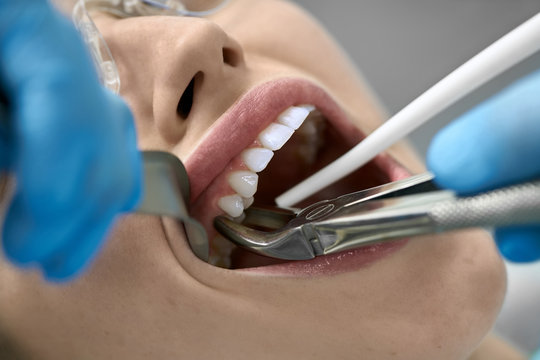
This same structured, case-by-case reasoning applies to tooth extractions generally: nothing gets removed on assumption, only after an actual assessment of the specific tooth in front of us.
Managing Pain While You Wait for an Appointment
Warm Salt Water Rinses
Several times a day helps flush trapped debris from under the gum flap.
Standard Over-the-Counter Relief
Reasonable for short-term comfort while you arrange an appointment.
Softer Foods, Briefly
Reduces direct pressure on the area while it's actively inflamed.
Gentle Cleaning, Not Avoidance
Carefully brushing the area, rather than skipping it, limits bacterial buildup.
None of this is a substitute for an actual diagnosis. It's a reasonable way to stay comfortable for the few days between noticing the pain and getting seen, nothing more.
Mistakes People Make With Wisdom Tooth Pain
What Recovery After Removal Actually Looks Like
If extraction is recommended, recovery generally follows a predictable pattern: noticeable swelling and tenderness for two to three days, gradual improvement through the first week, and a return to normal eating and routines within seven to ten days for most straightforward cases. Patients often ask whether this compares to the recovery after a dental implant, and the honest answer is that both involve a similar short window of manageable discomfort, not lasting pain.
According to guidance from India's National Health Portal, following your dentist's specific aftercare instructions, rather than generic advice online, is what most reliably prevents complications like dry socket.
A Quick Note on Self-Diagnosis
If pain has become a recurring pattern rather than a one-off, it's also worth reviewing our guide on how often you should actually be seeing a dentist, since recurring issues like this are often a sign checkups have been spaced too far apart.
How Mahaveer Multispeciality Dental Clinic Can Help
Wherever you are in this decision, here's where each part fits into what we offer:
| What You Need | How We Help | Explore |
|---|---|---|
| An X-ray and honest first opinion | Digital imaging to see the tooth's exact position before deciding anything | All Dental Services |
| Extraction, if it's genuinely needed | Straightforward removal with clear aftercare guidance | Tooth Extractions |
| Treatment for an infected neighbouring tooth | Root canal assessment if pressure has damaged the molar next to it | Root Canal Treatment |
| Gum care if pericoronitis keeps recurring | Professional cleaning around the affected area to reduce flare-ups | Preventive Dentistry |
| A nearby clinic in Thane | Full wisdom tooth evaluation at our Thane West location | Dentist in Thane West |
| A nearby clinic in Goregaon | Full wisdom tooth evaluation at our Goregaon West location | Dentist in Goregaon West |
Frequently Asked Questions
Final Thoughts
Wisdom tooth pain rewards patience with information, not patience alone. A little monitoring is reasonable for mild symptoms; swelling, fever, or pain that keeps returning is your cue to stop waiting and get an X-ray. Either way, the decision is far easier to make with an actual look at what's happening than with another week of guessing.
Visit Mahaveer Multispeciality Dental Clinic
Mahaveer Multispeciality Dental Clinic
Shop No. 1, C.H.S.Ltd, Ashirwad, Road No. 2, Near Anand Hotel, Unnat Nagar No. 4, Motilal Nagar I, Goregaon West, Mumbai, Maharashtra 400062
Contact: +91 90572 02410
Mahaveer Multispeciality Dental Clinic
A-Wing, Shop No. 5, Green Wood Complex, Oxford Society, Thane West, Thane, Maharashtra 400610
Contact: +91 86919 01509