

"I thought my toothbrush was just too hard. Turns out my gums had been inflamed for months, and nobody told me that counted as a problem."
— a patient, describing the moment bleeding gums stopped feeling normal
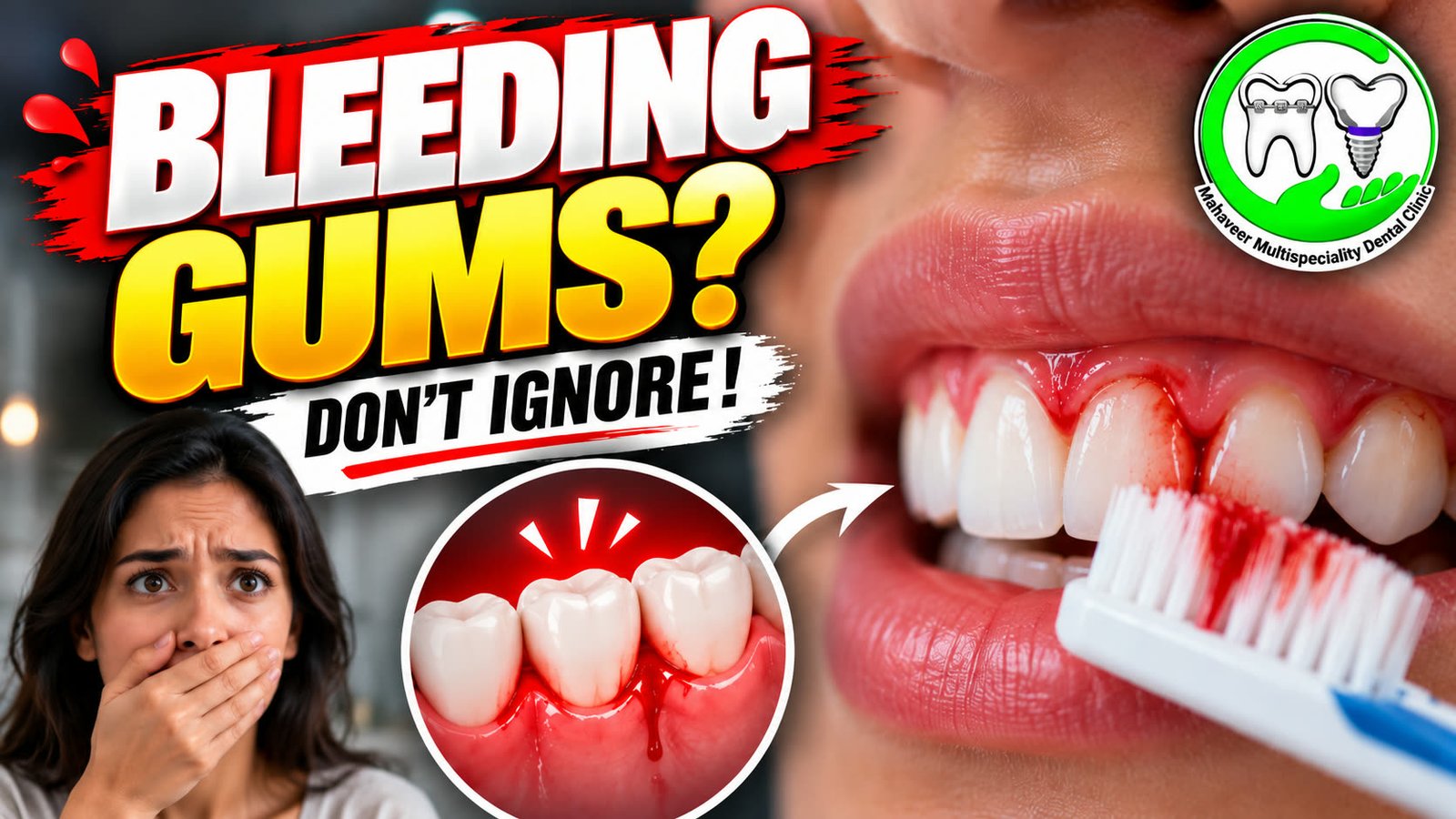
Most people notice it the same way: a little pink swirled into the white foam in the sink, or a faint metallic taste after flossing. It happens often enough that it starts to feel unremarkable, which is exactly the problem. Healthy gum tissue does not bleed from the ordinary friction of a soft-bristled brush.
This isn't about alarm. It's about recognising what your body is actually telling you, the same way we'd want you to catch the early signs of a cavity before it needs a root canal. Bleeding gums are one of the most reliable early warning signs in dentistry, and also one of the easiest to act on while it's still simple to reverse.
Why Gums Bleed in the First Place
Gum tissue bleeds for essentially one reason at the root of most cases: inflammation caused by plaque sitting along the gumline for too long. Plaque is a soft, sticky film of bacteria that forms on teeth constantly. Brushed away regularly, it's harmless. Left for a few days, it irritates the gum tissue it touches, and inflamed tissue bleeds far more easily than healthy tissue, even from gentle contact.
That's the part that confuses people. The bleeding isn't caused by the brushing itself; it's caused by the inflammation the brushing is finally disturbing. In a strange way, the bleeding you notice while cleaning your teeth is a sign of exactly where the problem has been hiding.
Why It Often Gets Worse Before It Gets Better
When people notice bleeding, a common instinct is to brush that area more gently or skip it entirely to "let it heal." This usually backfires, because it lets plaque build up further in exactly the spot that needed more attention, not less.
Gingivitis vs. Periodontitis: Where You Actually Are Matters
Not all bleeding gums are at the same stage, and the difference changes what fixes it.
Gingivitis: The Reversible Stage
This is inflammation of the gum tissue only, with no damage yet to the bone or ligament holding your teeth in place. It's extremely common, and the encouraging part is that it's fully reversible with consistent oral hygiene and a professional cleaning to remove plaque that's hardened into tartar, which a toothbrush alone cannot remove.
Periodontitis: Where It Stops Being Reversible
Left untreated long enough, gingivitis can progress into periodontitis, where the infection has started affecting the bone and fibers anchoring the tooth. This stage doesn't reverse on its own and can eventually lead to loose teeth if untreated, which is part of why catching gum disease early matters so much more than most people realise.
When It Isn't Just Plaque
Plaque-related gum disease explains the overwhelming majority of cases, but a few other factors can contribute or make gums more reactive than usual:
| Possible Factor | How It Shows Up | What Usually Helps |
|---|---|---|
| Pregnancy hormones | Gums become more reactive to the same amount of plaque | Extra-careful hygiene plus dental visits during pregnancy |
| Blood-thinning medication | Minor bleeding takes longer to stop than usual | Mention it to your dentist before any procedure |
| Vitamin C or K deficiency | Gums bleed even with reasonably good hygiene | Dietary review alongside standard gum treatment |
| Uncontrolled diabetes | Slower healing and more frequent gum infections | Coordinated care between physician and dentist |
| A new, firmer toothbrush | Localised bleeding only where the brush is harsher | Switching to a soft-bristled brush |
None of these are meant to be self-diagnosed from a list. They're here so you know what might come up if a dentist asks about your health history, since bleeding gums are often a dental issue with a few possible non-dental contributors worth ruling out.
Fixing It at Home: What Actually Works
For straightforward gingivitis, home care genuinely moves the needle, usually within one to two weeks.
- Brush twice daily, properly. Angle the bristles toward the gumline at roughly 45 degrees and use small, gentle circles rather than a hard back-and-forth scrub.
- Floss once a day. This is the step most people skip, and it's exactly where plaque hides between teeth, out of a toothbrush's reach.
- Use a soft-bristled brush. Medium or hard bristles feel more "thorough" but tend to irritate inflamed gums without cleaning any better.
- Rinse with plain warm salt water. A simple, low-cost way to reduce bacterial load while gums are healing.
- Be patient with the bleeding itself. Expect it to reduce gradually over days, not disappear instantly after one good brushing session.
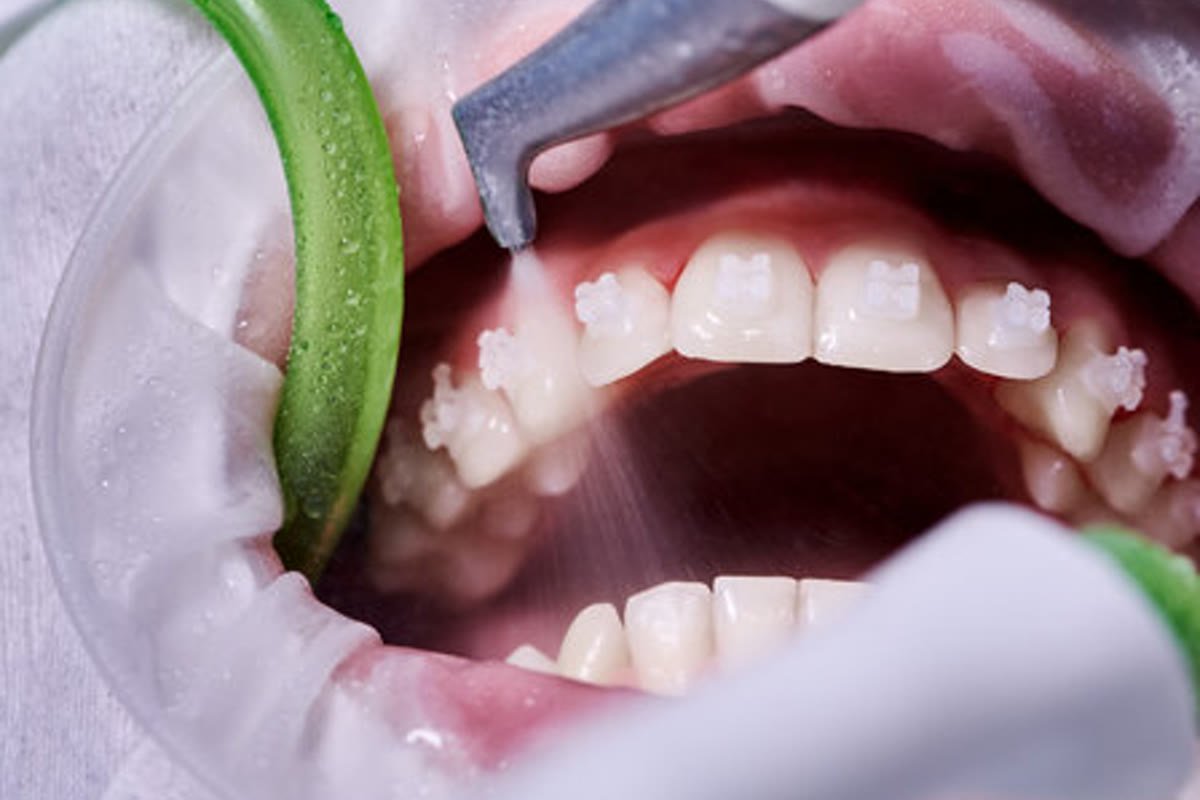
The World Health Organization notes that most gum disease is preventable through exactly these basic hygiene habits, which is worth remembering when it feels like a bigger problem than a toothbrush and some floss can solve.
What a Dentist Actually Does About It
If bleeding hasn't improved after a couple of weeks of consistent home care, the next step is usually a professional cleaning, not an intimidating procedure, just a thorough removal of tartar that a toothbrush physically cannot reach.
Scaling: Clearing What Brushing Can't
Scaling removes hardened plaque (tartar) from above and slightly below the gumline using specialised instruments. It's routine, generally comfortable, and often the single biggest reason bleeding finally stops for good, which is why our preventive dentistry and cleaning visits exist as a standalone service rather than an afterthought.
Deeper Treatment for Advanced Cases
For gum disease that has progressed further, root planing or more involved periodontal care may be needed to smooth root surfaces and help gum tissue reattach. This is decided case by case after an actual examination, not from a description over the phone.
Catching It Early Is Cheaper
A cleaning is far less involved, and less costly, than treating advanced gum disease later.
It Protects Teeth You're Not Worried About Yet
Gum disease is a leading cause of adult tooth loss, well before decay becomes a factor.
Your Mouth Isn't Separate From the Rest of You
Gum health has measurable links to broader health outcomes, not just your smile.
Fresher Breath, As a Side Effect
Chronic bad breath often traces back to the same bacteria causing the bleeding.
We've written more on that broader connection in our piece on how oral health affects heart and overall health, if you'd like to understand why dentists take gum inflammation this seriously.
Mistakes That Keep Bleeding Gums Going
When Bleeding Gums Need Prompt Attention
None of these automatically mean something serious, but they're exactly the signs that separate simple gingivitis from something that needs an actual examination rather than more careful brushing at home.
Diet's Quiet Role in Gum Health
What you eat between brushes matters more than most people assume. Frequent sugary snacking and acidic drinks feed the same bacteria responsible for gum inflammation, a pattern we go into in more detail in our guide to everyday food habits that damage teeth. Reducing snack frequency, even without cutting out any one food entirely, measurably lightens the bacterial load your gums deal with each day.
If it's genuinely been a while since your last checkup, our guide on how often you actually need to see a dentist is a useful, judgment-free place to start.
How Mahaveer Multispeciality Dental Clinic Can Help
Wherever your gums are at right now, here's where that fits into what we offer:
| What You Need | How We Help | Explore |
|---|---|---|
| A professional cleaning to clear tartar | Thorough scaling that removes what brushing can't reach | Preventive Dentistry & Cleaning |
| A proper diagnosis of persistent bleeding | Clinical examination to tell gingivitis from more advanced gum disease | Gum Disease: Early Signs |
| Treatment if a tooth has become infected | Root canal assessment if bleeding has been masking a deeper problem | Root Canal Treatment |
| Ongoing checkups so this doesn't recur | Routine visits timed to catch inflammation before it progresses | All Dental Services |
| A nearby clinic in Goregaon | Full gum care at our Goregaon West location | Dentist in Goregaon West |
| A nearby clinic in Thane | Full gum care at our Thane West location | Dentist in Thane West |
Frequently Asked Questions
Final Thoughts
Bleeding gums are common, treatable, and usually one of the kindest warnings your mouth ever gives you, because it shows up long before pain does. The fix is rarely dramatic: better daily habits, one proper cleaning, and paying attention the next time it happens instead of rinsing and moving on.
If you've been noticing it for a while now, that's reason enough to get it looked at, not a sign you've waited too long.
Visit Mahaveer Multispeciality Dental Clinic
Mahaveer Multispeciality Dental Clinic
Shop No. 1, C.H.S.Ltd, Ashirwad, Road No. 2, Near Anand Hotel, Unnat Nagar No. 4, Motilal Nagar I, Goregaon West, Mumbai, Maharashtra 400062
Contact: +91 90572 02410
Mahaveer Multispeciality Dental Clinic
A-Wing, Shop No. 5, Green Wood Complex, Oxford Society, Thane West, Thane, Maharashtra 400610
Contact: +91 86919 01509